ACL Tear: Symptoms, Causes, Treatment & Recovery Timeline
June 25, 2026
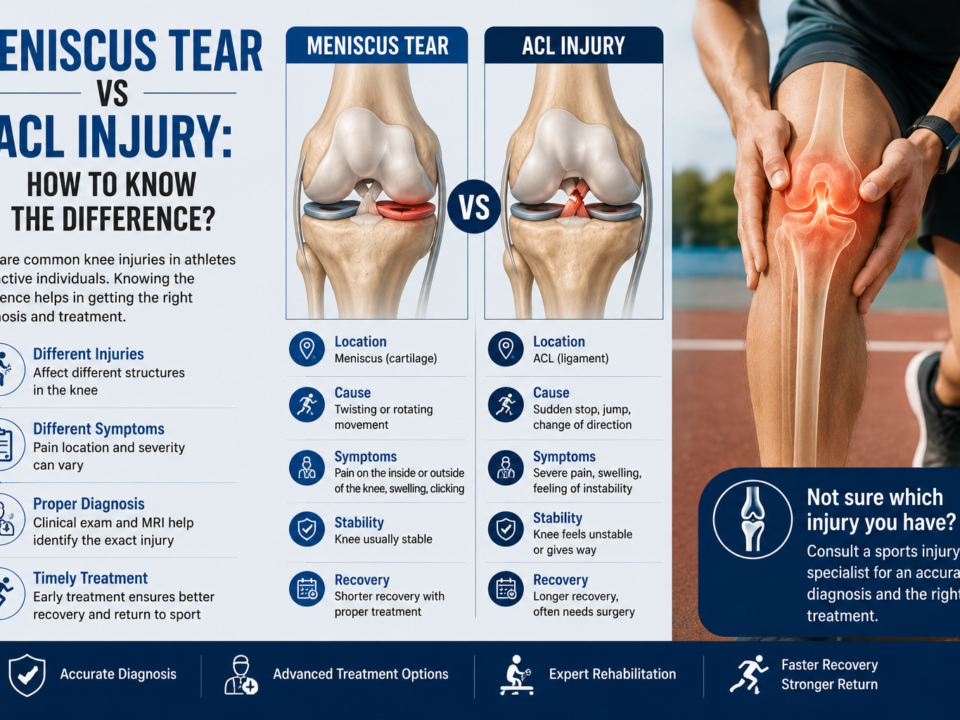
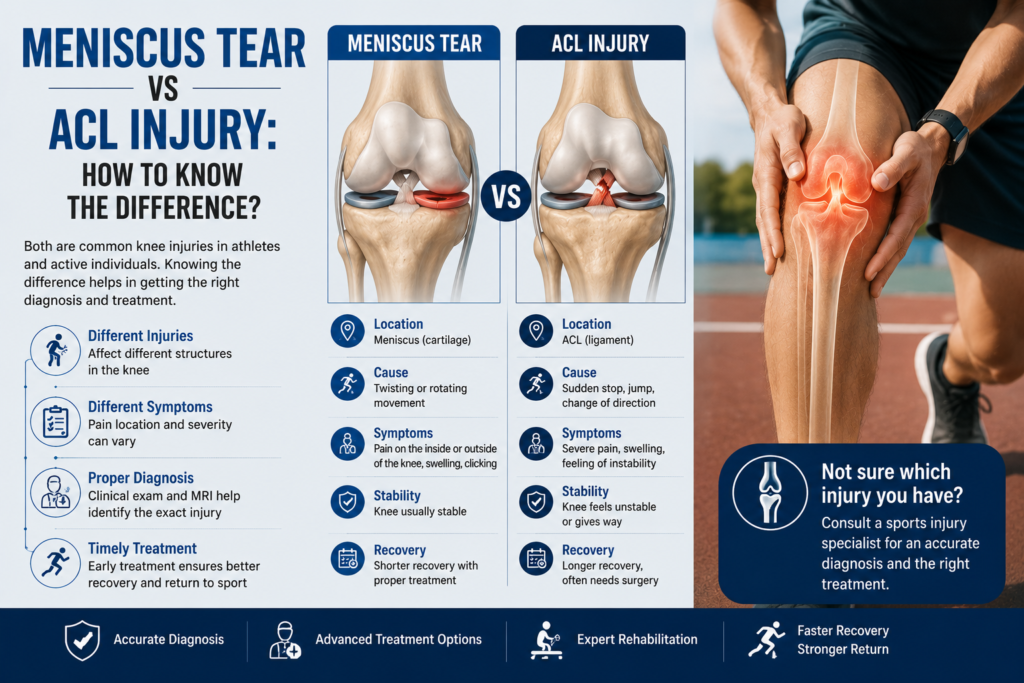
Meniscus Tear vs ACL Injury: How to Know the Difference?
June 25, 2026Shoulder injuries are among the most common problems faced by athletes, gym enthusiasts, and individuals involved in physically demanding activities. One of the most painful and disabling shoulder injuries is a shoulder dislocation. Whether it happens during a cricket match, football game, gym workout, or a simple fall, a shoulder dislocation can significantly affect your daily activities and athletic performance.
Understanding the symptoms, causes, treatment options, and knowing when surgery is necessary can help prevent repeated injuries and long-term shoulder damage. At Arthro One, we provide advanced shoulder dislocation treatment in Ahmedabad using the latest arthroscopic techniques to help patients return to their active lifestyle safely.
What is a Shoulder Dislocation?
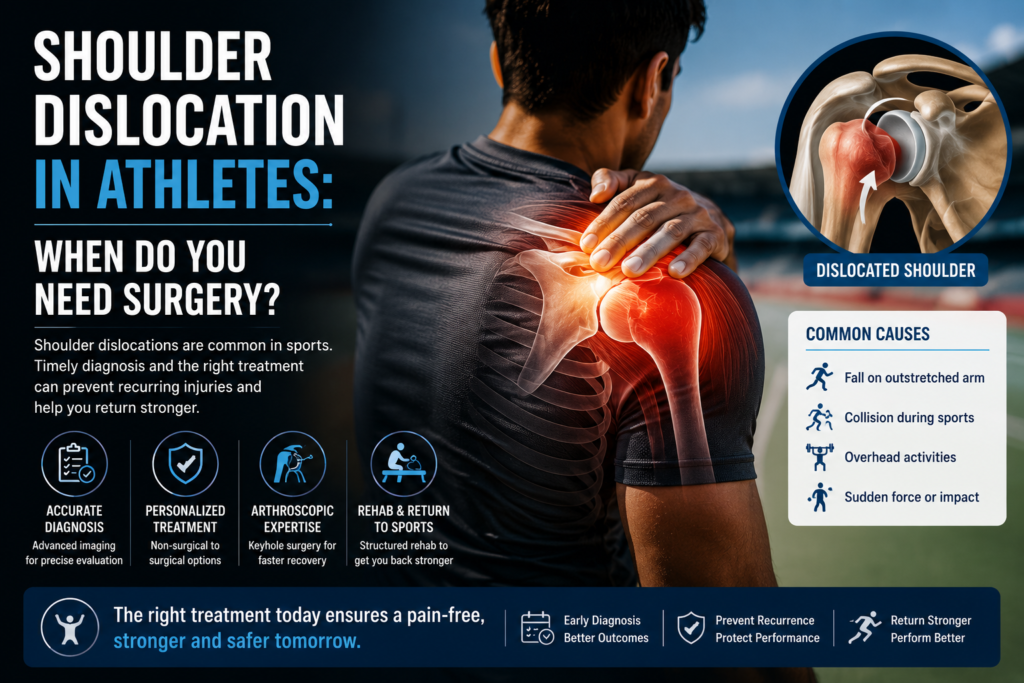
The shoulder is the most mobile joint in the human body, allowing a wide range of movements. However, this flexibility also makes it one of the most unstable joints.
A shoulder dislocation occurs when the upper arm bone (humerus) slips out of the shoulder socket (glenoid). This injury may partially or completely dislocate the joint, causing severe pain, restricted movement, and instability.
A shoulder dislocation is considered a medical emergency and should be evaluated by a sports injury specialist in Ahmedabad as soon as possible.
Why Are Athletes More Prone to Shoulder Dislocations?
Athletes place repeated stress on their shoulder joints through throwing, lifting, tackling, diving, and overhead movements.
Sports with a higher risk include:
- Cricket
- Volleyball
- Basketball
- Football
- Wrestling
- Swimming
- Tennis
- Badminton
- Weightlifting
- Gymnastics
High-impact collisions and repetitive overhead motions increase the chances of experiencing a shoulder dislocation.
Common Causes of Shoulder Dislocation
Several situations can lead to a shoulder dislocation.
Sports Injuries
Contact sports often involve falls, tackles, or sudden impacts that force the shoulder out of place.
Falling on an Outstretched Hand
A common cause seen in both athletes and older adults.
Road Traffic Accidents
High-energy trauma frequently causes shoulder dislocations.
Gym Injuries
Improper lifting techniques or excessive weight can place extreme pressure on the shoulder joint.
Previous Shoulder Dislocation
Once a shoulder has dislocated, the risk of another shoulder dislocation becomes significantly higher without proper treatment.
Shoulder Dislocation Symptoms
Recognizing shoulder dislocation symptoms early can help reduce complications.
Common symptoms include:
Severe Shoulder Pain
Pain usually starts immediately after the injury and worsens with movement.
Visible Shoulder Deformity
The shoulder may appear flattened or visibly out of place.
Inability to Move the Arm
Most patients cannot raise or rotate the affected arm.
Swelling and Bruising
Inflammation develops quickly around the joint.
Weakness
The arm often feels weak and unstable.
Numbness or Tingling
Some patients experience numbness if nearby nerves are affected.
If you notice these shoulder dislocation symptoms, immediate medical evaluation is recommended.
Types of Shoulder Dislocation
Understanding the type of injury helps determine the most appropriate shoulder dislocation treatment.
Anterior Shoulder Dislocation
This is the most common type, accounting for nearly 95% of shoulder dislocations. The upper arm bone moves forward out of the socket.
Posterior Shoulder Dislocation
Less common and usually caused by seizures, electric shock, or significant trauma.
Inferior Shoulder Dislocation
A rare but serious injury where the arm becomes stuck above the head.
How is Shoulder Dislocation Diagnosed?
An accurate diagnosis ensures proper treatment and reduces the risk of future instability.
Physical Examination
The doctor evaluates pain, deformity, swelling, and shoulder movement.
X-Ray
Confirms the shoulder dislocation and checks for fractures.
MRI Scan
An MRI helps identify injuries to ligaments, cartilage, labrum, and rotator cuff muscles.
CT Scan
Sometimes recommended for complex fractures or recurrent dislocations.
Immediate First Aid After a Shoulder Dislocation
Before reaching the hospital:
- Do not attempt to push the shoulder back yourself.
- Keep the arm supported in a sling.
- Apply an ice pack for 15–20 minutes.
- Avoid unnecessary shoulder movement.
- Visit a sports injury specialist immediately.
Improper handling can damage nerves, blood vessels, and surrounding tissues.
Shoulder Dislocation Treatment
The appropriate shoulder dislocation treatment depends on age, activity level, and severity of the injury.
Closed Reduction
The first step is gently repositioning the shoulder back into its socket.
This should always be performed by an experienced orthopedic surgeon.
Immobilization
A sling is worn for several weeks to allow healing.
Physiotherapy
Rehabilitation is essential to restore:
- Strength
- Mobility
- Stability
- Flexibility
Many first-time shoulder dislocations recover well with conservative treatment and physiotherapy.
When Do You Need Shoulder Surgery?
Not every shoulder dislocation requires surgery. However, surgery may be the best option in certain situations.
Recurrent Shoulder Dislocations
If your shoulder repeatedly slips out of place, surgery is often recommended to restore stability.
Young Athletes
Athletes under 30 years of age have a significantly higher chance of repeated shoulder dislocations after the first injury.
Early surgical treatment can reduce recurrence and help athletes return to sports with confidence.
Torn Labrum
The labrum is a ring of cartilage that stabilizes the shoulder.
A torn labrum, also called a Bankart lesion, often requires arthroscopic repair.
Bone Loss
Repeated shoulder dislocations can damage the shoulder socket or upper arm bone, making surgery necessary.
Failed Conservative Treatment
If pain and instability continue despite physiotherapy, surgical intervention may be required.
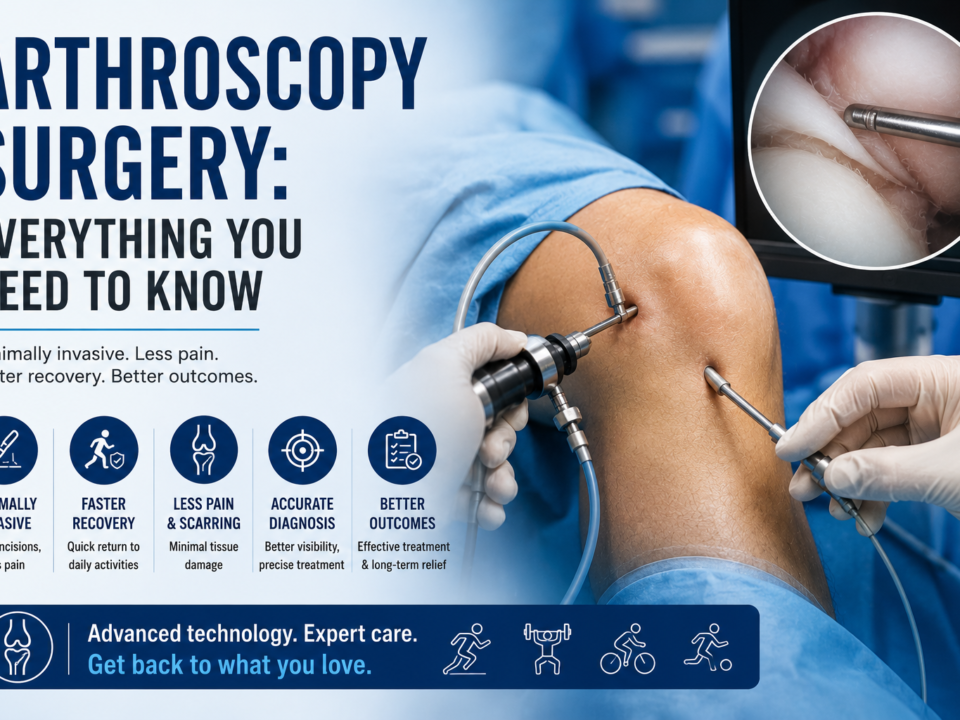
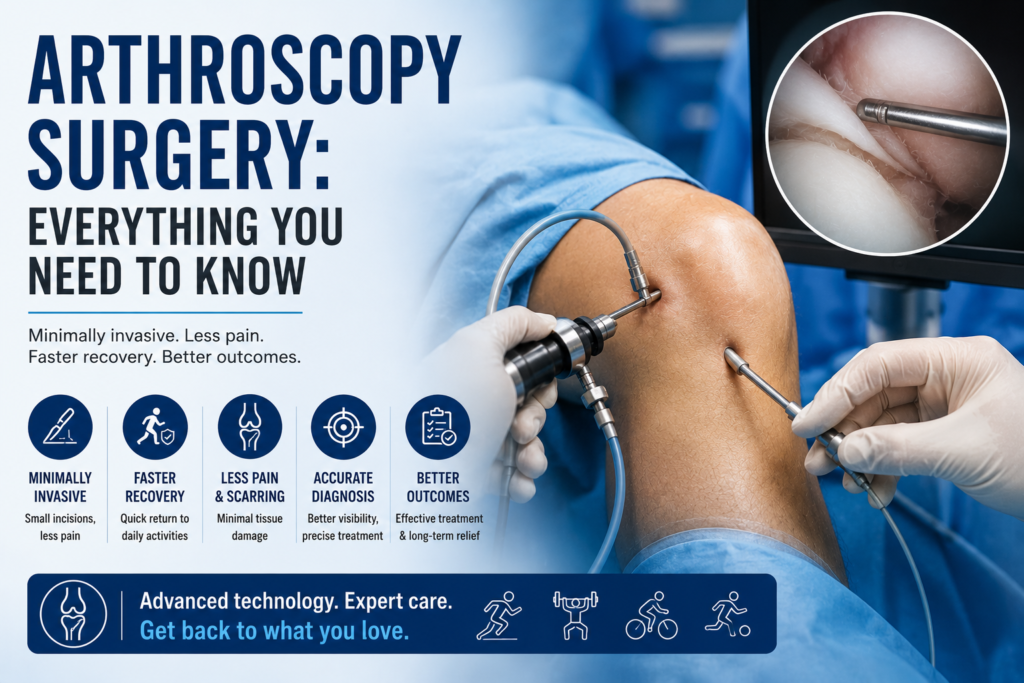
Arthroscopic Shoulder Surgery
Modern shoulder dislocation treatment in Ahmedabad often involves arthroscopic surgery.
This minimally invasive procedure uses a tiny camera and specialized instruments inserted through small incisions.
Advantages include:
- Smaller scars
- Less pain
- Faster recovery
- Lower infection risk
- Better cosmetic results
- Early rehabilitation
At Arthro One, arthroscopic techniques are used whenever appropriate to provide advanced shoulder care.
Recovery After Shoulder Surgery
Recovery varies depending on the type of injury and procedure.
Week 1–3
- Sling support
- Pain management
- Gentle exercises
Week 4–8
- Passive and active shoulder movements
- Improved flexibility
Month 2–4
- Strengthening exercises
- Muscle conditioning
Month 4–6
- Sport-specific rehabilitation
- Functional training
Month 6+
- Return to sports after medical clearance
Following your rehabilitation program is essential for successful recovery.
Can You Return to Sports?
Yes.
Most athletes successfully return to sports after proper shoulder dislocation treatment, surgery when required, and structured rehabilitation.
Returning too early increases the risk of another shoulder dislocation.
Always follow your orthopedic surgeon’s advice before resuming competitive sports.
Can Shoulder Dislocations Be Prevented?
Although not every injury can be avoided, several measures reduce the risk.
Strengthen Shoulder Muscles
Strong rotator cuff muscles improve shoulder stability.
Warm Up Properly
Never skip stretching and warm-up exercises before training.
Improve Technique
Proper sports techniques reduce unnecessary shoulder stress.
Avoid Overtraining
Excessive repetitive movements increase injury risk.
Wear Protective Equipment
Protective gear is especially important in contact sports.
When Should You See a Sports Injury Specialist?
Consult a sports injury specialist immediately if you experience:
- Severe shoulder pain
- Visible shoulder deformity
- Inability to move the arm
- Recurrent shoulder dislocation
- Shoulder instability
- Persistent pain after rehabilitation
Early treatment helps prevent long-term complications.
Why Choose Arthro One for Shoulder Dislocation Treatment in Ahmedabad?
At Arthro One, we specialize in sports injuries and advanced arthroscopic surgery.
Our approach includes:
- Comprehensive diagnosis
- Advanced imaging
- Arthroscopic shoulder surgery
- Personalized rehabilitation
- Athlete-focused recovery plans
- Return-to-sport programs
Our goal is not just to treat the injury but to restore confidence, performance, and long-term shoulder stability.
Frequently Asked Questions
What is the most common cause of shoulder dislocation?
Sports injuries, falls, road accidents, and gym injuries are among the most common causes.
Can a shoulder dislocation heal without surgery?
Yes. Many first-time shoulder dislocations recover with reduction, immobilization, and physiotherapy. However, recurrent dislocations often require surgery.
How long does shoulder dislocation recovery take?
Recovery usually takes between 3 to 6 months, depending on the severity of the injury and whether surgery is performed.
Is shoulder arthroscopy painful?
Arthroscopic surgery is minimally invasive and generally causes less pain than traditional open surgery, with a faster recovery period.
Can I play sports again after shoulder surgery?
Yes. Most athletes can safely return to sports after completing rehabilitation and receiving clearance from their orthopedic surgeon.
Conclusion
A shoulder dislocation can interrupt your active lifestyle, but early diagnosis, expert treatment, and proper rehabilitation can help you recover fully. Ignoring repeated shoulder dislocations may lead to chronic instability, cartilage damage, and reduced shoulder function.
If you are experiencing shoulder pain, instability, or have suffered a shoulder injury during sports, seeking timely shoulder dislocation treatment in Ahmedabad can help you recover faster and reduce the risk of future injuries.
At Arthro One, our experienced team is committed to providing advanced shoulder care, helping athletes and active individuals return to their sport with strength, confidence, and long-term shoulder health.