
Guide to Marathon Nutrition
November 27, 2021
Shoulder Dislocation in Athletes: When Do You Need Surgery?
June 25, 2026An ACL tear is one of the most common sports injuries affecting the knee joint. Whether you are an athlete, a fitness enthusiast, or someone who enjoys an active lifestyle, an ACL injury can significantly impact your mobility, performance, and quality of life. Understanding ACL tear symptoms, causes, treatment options, and the recovery process can help you make informed decisions and achieve the best possible outcome.
At Arthro One, we specialize in ACL tear treatment in Ahmedabad, helping patients recover safely and return to sports, fitness activities, and daily life with confidence.
What is an ACL Tear?
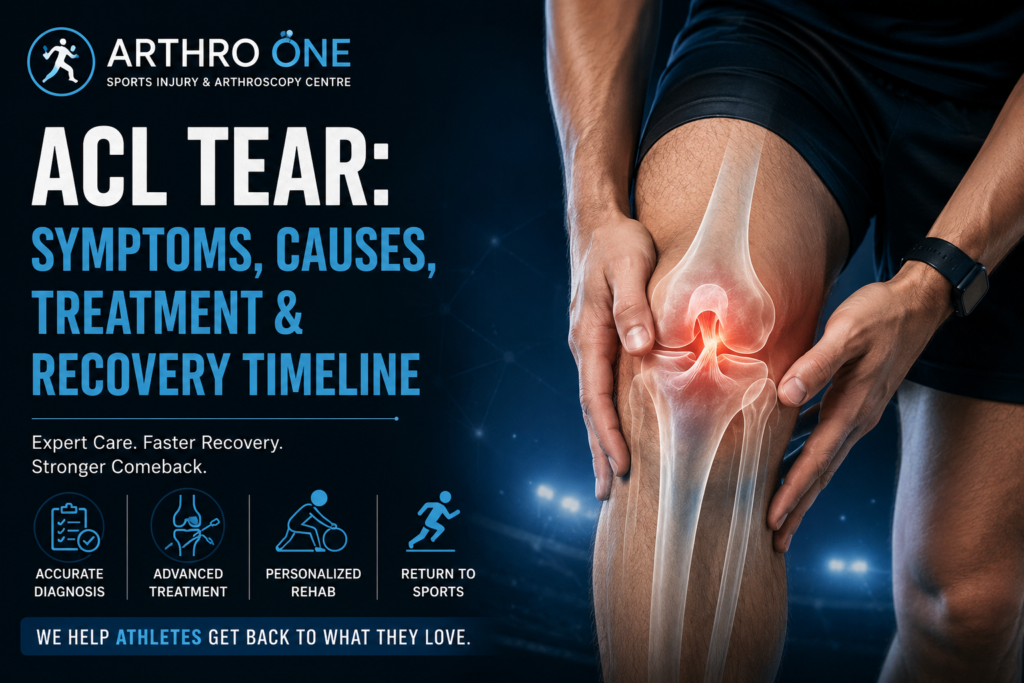
The Anterior Cruciate Ligament (ACL) is one of the four major ligaments that stabilize the knee joint. It connects the thigh bone (femur) to the shin bone (tibia) and prevents excessive forward movement and rotation of the knee.
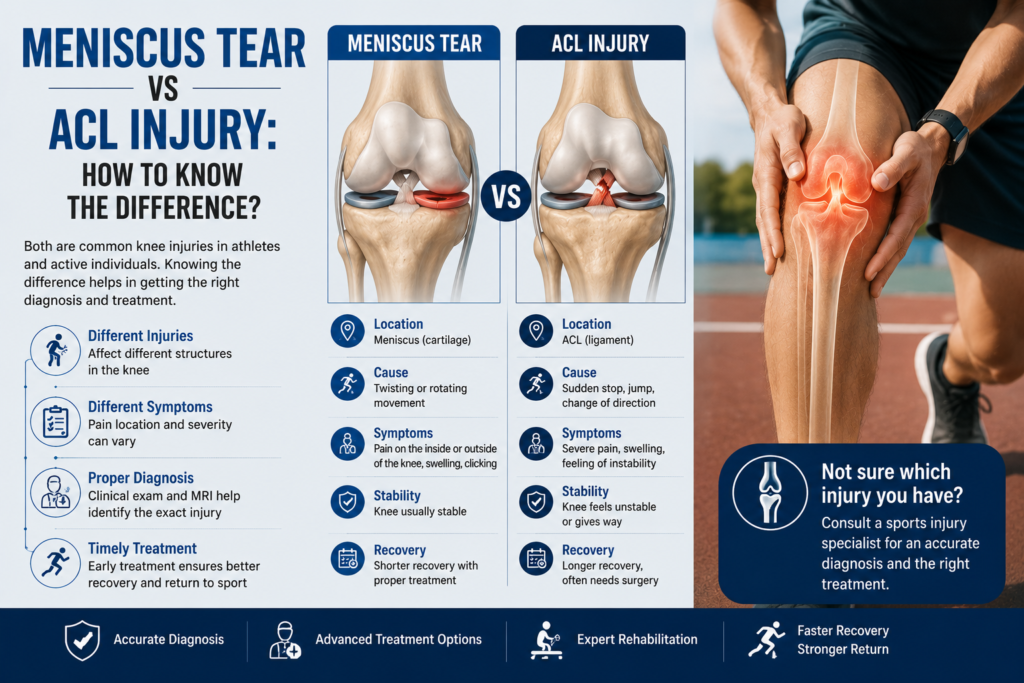
An ACL tear occurs when this ligament is stretched beyond its limit or completely torn. ACL injuries are particularly common among athletes involved in sports that require sudden changes in direction, jumping, landing, or pivoting movements.
ACL tear treatment depends on the severity of the injury, activity level, age, and future goals of the patient.
What Causes an ACL Tear?
An ACL tear can occur during sports activities or everyday movements involving sudden stress on the knee.
Common causes include:
Sudden Direction Changes
Sports such as football, cricket, basketball, badminton, and tennis require rapid changes in direction that can place significant stress on the ACL.
Improper Landing
Landing incorrectly after a jump can cause the knee to twist inward, increasing the risk of an ACL injury.
Sudden Stops
Abrupt stopping while running can overload the knee joint and damage the ACL.
Direct Impact
A collision or tackle during sports can result in an ACL tear.
Weak Muscles and Poor Conditioning
Weak thigh and hip muscles can reduce knee stability and increase the likelihood of ligament injuries.
Understanding these risk factors is important for preventing future injuries and reducing the need for extensive ACL tear treatment.
ACL Tear Symptoms You Should Never Ignore
Recognizing ACL tear symptoms early can help you seek timely medical attention and prevent additional damage to the knee.
Common ACL tear symptoms include:
A Popping Sound
Many patients report hearing or feeling a “pop” at the time of injury.
Immediate Knee Pain
Pain often develops immediately after the injury and may worsen with movement.
Swelling
Rapid swelling within the first few hours is a classic sign of an ACL injury.
Knee Instability
Patients often describe the sensation that the knee is giving way while walking or turning.
Reduced Range of Motion
Bending and straightening the knee may become difficult.
Difficulty Bearing Weight
Walking or standing may be painful and uncomfortable.
If you experience these ACL tear symptoms, consulting a sports injury specialist in Ahmedabad can help ensure an accurate diagnosis and timely ACL tear treatment.
Grades of ACL Injuries
ACL injuries are generally classified into three grades:
Grade 1 ACL Injury
The ligament is mildly stretched but remains intact. Knee stability is usually maintained.
Grade 2 ACL Injury
The ligament is partially torn, resulting in some instability and discomfort.
Grade 3 ACL Injury
The ligament is completely torn. This is the most severe form of ACL injury and often requires ACL reconstruction surgery.
Determining the grade of injury is essential when planning the most appropriate ACL tear treatment strategy.
How is an ACL Tear Diagnosed?
Accurate diagnosis is critical for successful ACL tear treatment.
Clinical Examination
A sports medicine specialist will assess knee stability, swelling, range of motion, and pain levels.
MRI Scan
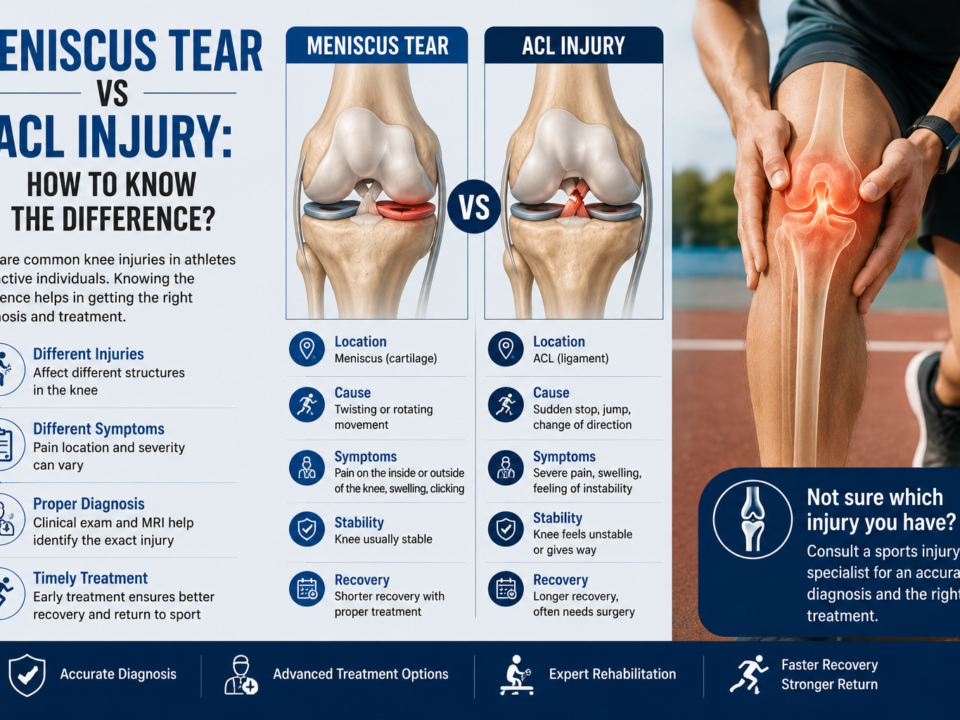
MRI is the gold standard for diagnosing ACL injuries. It helps evaluate the ligament and identify associated injuries such as meniscus tears or cartilage damage.
X-Rays
Although X-rays do not show ligaments, they help rule out fractures and other bone-related issues.
Early diagnosis improves treatment outcomes and helps patients begin their ACL injury recovery journey sooner.
ACL Tear Treatment Options
The ideal ACL tear treatment depends on the severity of the injury, lifestyle demands, and patient expectations.
Non-Surgical ACL Tear Treatment
Some patients with partial tears or lower activity levels may benefit from conservative treatment.
This may include:
- Rest and activity modification
- Ice therapy
- Compression
- Knee bracing
- Physiotherapy
- Strength training
- Balance and stability exercises
Non-surgical ACL tear treatment focuses on restoring function while avoiding further injury.
ACL Reconstruction Surgery
Patients with complete ACL tears, athletes, and individuals with significant knee instability often require ACL reconstruction surgery.
During the procedure:
- The torn ligament is replaced using a graft.
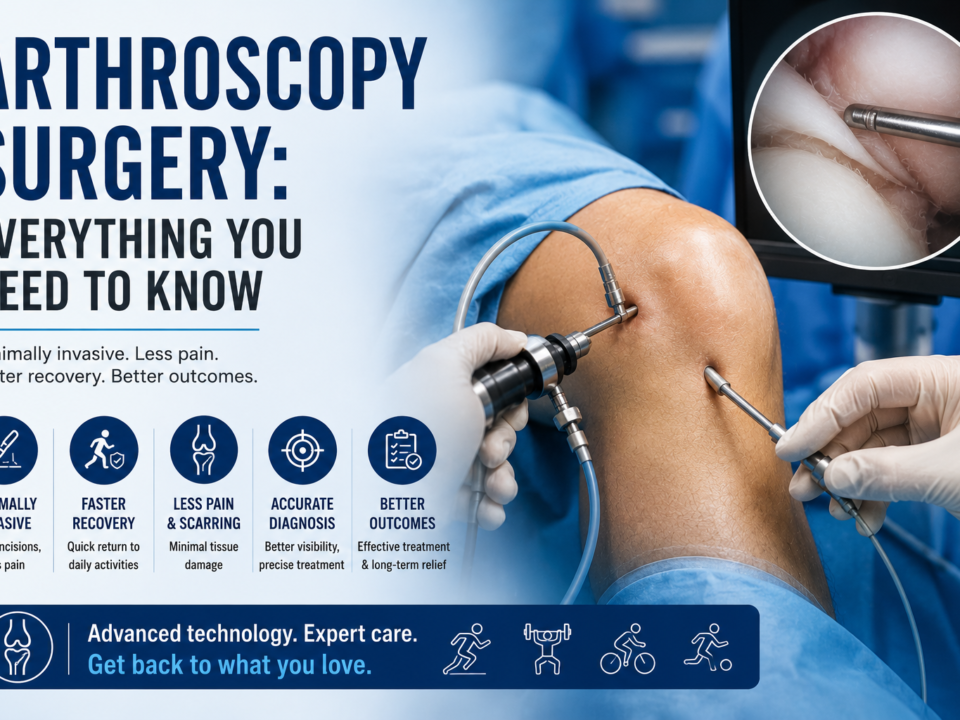
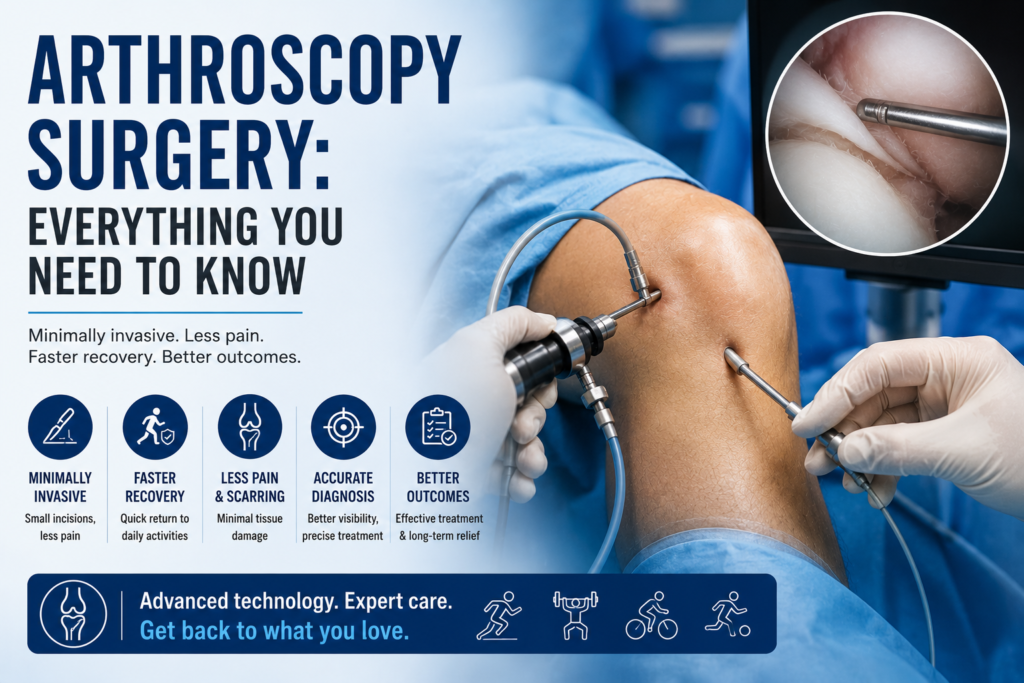
- Arthroscopic techniques are used to minimize tissue damage.
- Small incisions allow faster recovery.
- Knee stability is restored.
Modern ACL reconstruction surgery provides excellent outcomes and allows many patients to return to their previous level of activity.
At Arthro One, advanced arthroscopic techniques are used to provide effective ACL tear treatment with a focus on faster recovery and long-term knee health.
Why Arthroscopic ACL Reconstruction is Preferred
Arthroscopic surgery has become the preferred method for ACL tear treatment because it offers several advantages.
Smaller Incisions
Tiny incisions reduce tissue damage and improve cosmetic results.
Faster Recovery
Patients typically experience quicker rehabilitation compared to traditional open surgery.
Less Pain
Minimally invasive techniques often result in less post-operative discomfort.
Better Visualization
The surgeon can clearly assess the entire knee joint and address associated injuries.
Improved Outcomes
Modern arthroscopic ACL reconstruction surgery provides excellent long-term stability and function.
These benefits make arthroscopy an important component of advanced ACL tear treatment.
ACL Injury Recovery Timeline
One of the most common questions patients ask is how long ACL injury recovery takes.
Recovery varies from person to person, but the following timeline provides a general overview.
Week 1-2
- Swelling reduction
- Pain management
- Gentle range-of-motion exercises
- Walking with support if needed
Week 3-6
- Improved knee mobility
- Strengthening exercises begin
- Balance and stability training
Week 6-12
- Progressive strengthening
- Improved functional movement
- Increased weight-bearing activities
Month 3-6
- Sport-specific rehabilitation
- Running and agility exercises
- Advanced strengthening
Month 6-9
- Return-to-sport assessment
- Functional testing
- Gradual return to competition
Successful ACL injury recovery requires commitment, professional guidance, and a structured rehabilitation program.
Can You Walk with a Torn ACL?
Many patients can walk after an ACL injury, especially after initial swelling decreases.
However, walking does not mean the ligament has healed. Continuing sports activities without proper ACL tear treatment may increase the risk of:
- Meniscus damage
- Cartilage injuries
- Chronic knee instability
- Early arthritis
Seeking expert evaluation is always recommended.
Preventing ACL Injuries
While not all injuries can be prevented, several strategies can reduce the risk.
Strength Training
Strong muscles help stabilize the knee joint.
Proper Warm-Up
Dynamic warm-ups prepare the body for physical activity.
Neuromuscular Training
Balance and coordination exercises improve movement control.
Correct Landing Techniques
Learning proper jumping and landing mechanics reduces ACL stress.
Sports-Specific Conditioning
Athletes should follow structured conditioning programs relevant to their sport.
Preventive strategies can significantly lower the likelihood of requiring ACL tear treatment in the future.
When Should You See a Sports Injury Specialist?
You should consult a sports injury specialist if you experience:
- Persistent knee pain
- Knee swelling
- Instability while walking
- Difficulty participating in sports
- Limited knee movement
- Recurrent knee injuries
Early intervention can improve outcomes and reduce recovery time.
Why Choose Arthro One for ACL Tear Treatment in Ahmedabad?
At Arthro One, we focus exclusively on sports injuries, arthroscopy, rehabilitation, and athlete care.
Our approach includes:
- Comprehensive diagnosis
- Advanced arthroscopic procedures
- Personalized treatment plans
- Structured rehabilitation programs
- Return-to-sport guidance
- Long-term injury prevention strategies
Whether you are a professional athlete or a recreational sports enthusiast, our goal is to help you regain confidence, mobility, and performance.
Frequently Asked Questions
What is the most common symptom of an ACL tear?
The most common ACL tear symptoms include a popping sensation, swelling, pain, and knee instability.
Does every ACL tear require surgery?
No. Partial tears and less active individuals may benefit from non-surgical ACL tear treatment, while complete tears often require ACL reconstruction surgery.
How long does ACL injury recovery take?
Most patients require six to nine months for complete ACL injury recovery and return to sports.
Can an ACL tear heal on its own?
A completely torn ACL generally does not heal naturally. Professional evaluation is essential to determine the best treatment approach.
Is ACL reconstruction surgery safe?
Yes. Modern arthroscopic ACL reconstruction surgery is considered safe and effective, with excellent long-term success rates.
Conclusion
An ACL tear can be a challenging injury, but with timely diagnosis, expert care, and a structured rehabilitation program, most patients can return to an active and healthy lifestyle. Recognizing ACL tear symptoms early and seeking appropriate ACL tear treatment can make a significant difference in recovery outcomes.
If you are experiencing knee pain, instability, or suspect an ACL injury, consulting a sports injury specialist in Ahmedabad can help you take the first step toward recovery and long-term knee health.